
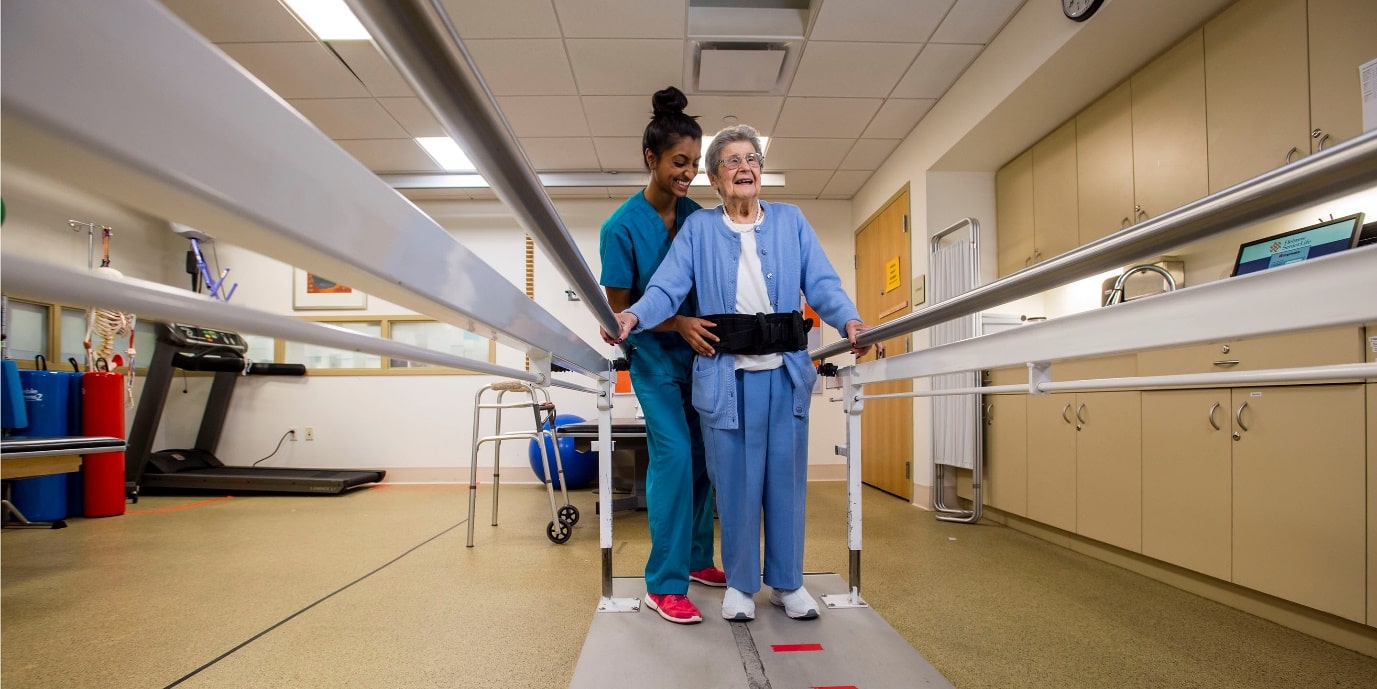
Understanding Skilled Nursing Facilities
Nursing homes often create anxiety for seniors and their families. While these institutions are now commonly referred to as Skilled Nursing Facilities (SNFs), they continue to play an important role in providing specialized medical care and rehabilitation services for individuals who require intensive support.
Skilled nursing facilities offer a variety of services, including:
- Post-hospital rehabilitation
- Long-term nursing care
- Physical and occupational therapy
- Specialized medical treatment and monitoring
Although these services are valuable, many seniors hope to avoid long-term placement in a nursing facility and remain in the comfort of their own homes.
Why Seniors Prefer Aging in Place
For many older adults, their home represents far more than just a place to live. It is where they have spent years or even decades building memories with family and loved ones.
Remaining at home offers several benefits:
- Familiar surroundings
- Greater independence
- Emotional comfort
- Stronger community connections
- Improved quality of life
However, aging in place often requires thoughtful planning and preparation to ensure that appropriate care and support are available when needed.
The Importance of Planning Ahead
Many seniors have not fully prepared for the challenges that may arise as they age. Future planning involves more than simply creating legal documents—it also includes preparing for changes in health, mobility, daily routines, and caregiving needs.
Without a clear plan, individuals may find themselves with limited options during a medical crisis, increasing the likelihood of nursing home placement.
Proper planning allows families to:
- Anticipate future care needs
- Maintain greater control over healthcare decisions
- Preserve financial resources
- Increase the likelihood of remaining at home
Why Families Avoid Difficult Conversations
Discussions about aging, illness, and long-term care are often uncomfortable. Many people avoid these conversations because they do not want to think about the possibility of declining health or unexpected accidents.
Unfortunately, postponing these discussions can create challenges later by:
- Shifting difficult decisions to family members
- Reducing available planning options
- Creating confusion during emergencies
- Limiting personal choices regarding future care
Having these conversations early provides greater flexibility and peace of mind for everyone involved.
The Role of Estate Planning in Avoiding Nursing Home Placement
While some health conditions may require skilled nursing care regardless of planning efforts, a comprehensive estate plan can significantly improve the chances of remaining in the least restrictive environment possible.
Estate planning strategies can help:
- Protect assets from long-term care costs
- Fund in-home care services
- Create legal authority for trusted family members
- Establish healthcare directives
- Prepare for future caregiving needs
Taking these steps before a crisis occurs provides more options and better outcomes.
Exploring Estate Planning Workshops and Professional Guidance
One effective way to begin the planning process is by participating in estate planning workshops or educational webinars. These programs can provide valuable information about:
- Long-term care planning
- Asset protection strategies
- Healthcare decision-making
- Aging-in-place solutions
- Estate planning tools and documents
Working with an experienced estate planning attorney can further help families develop a personalized strategy based on their unique circumstances and goals.
Creating a Personalized Plan for In-Home Care
A customized estate plan should address ways to support care at home whenever possible.
This may include:
Financial Planning
Identifying resources to pay for home health aides, caregivers, and other support services.
Legal Planning
Establishing powers of attorney, healthcare proxies, trusts, and other legal tools.
Care Coordination
Researching available community services and healthcare resources that support independent living.
Family Involvement
Ensuring family members understand the plan and their potential roles in providing support.
Working Together with Family and Legal Advisors
Successful aging-in-place strategies often require collaboration between:
- The individual
- Family members
- Estate planning attorneys
- Healthcare professionals
- Care coordinators
This team approach helps identify goals, evaluate available resources, and develop a plan designed to maintain independence for as long as possible.
Why Early Planning Matters
The most effective time to begin planning is before a health crisis occurs. Early planning provides greater flexibility, more financial options, and stronger legal protections.
Benefits of early planning include:
- More choices regarding future care
- Better asset protection opportunities
- Reduced family stress
- Increased likelihood of remaining at home
- Improved overall quality of life
Although attorneys can assist during crisis situations, proactive planning often leads to the most successful outcomes.
Conclusion
Avoiding nursing home placement requires thoughtful preparation, open family communication, and a comprehensive estate plan. While no plan can eliminate every risk, taking action early can significantly increase the likelihood of aging comfortably at home. By working with experienced professionals and involving loved ones in the planning process, individuals can maintain greater independence, protect their assets, and create a future that reflects their personal wishes and goals.